Leaves Are Falling, Fall is Calling: A Designer Review
As a designer who has spent years translating digital files into tangible stitched goods, I approach every new machine embroidery design with a mix of excitement and skepticism. The market is flooded with generic autumn motifs, but finding a piece that truly captures the cozy, slightly whimsical spirit of the season without sacrificing stitch integrity is rare. Recently, I put Leaves Are Falling, Fall is Calling through its paces to see if it holds up as a viable asset for my craft business and client work. This isn't just another pretty picture; it's a potential revenue driver for any Etsy seller or small shop owner looking to refresh their fall catalog.
The First Impression: Mood and Visual Personality
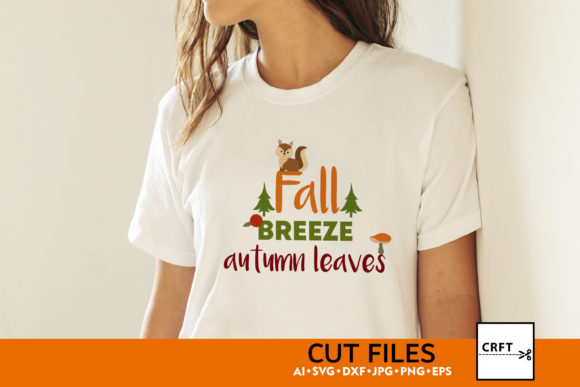
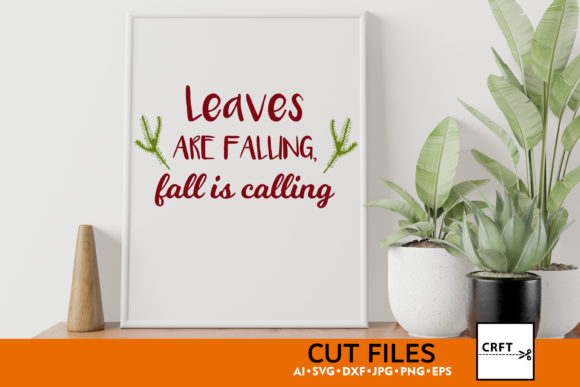
When I first opened the digital embroidery file, the immediate impression was one of warm nostalgia. The title itself, Leaves Are Falling, Fall is Calling, sets a specific tone that goes beyond simple seasonal decoration. It suggests movement and an invitation. Visually, the design balances the organic chaos of falling foliage with structured typography, creating a layout that feels curated rather than cluttered. For those working in Crafts and Graphics, this balance is crucial. Too much detail can get lost in the stitching process, while too little looks cheap on a premium garment. This design strikes a middle ground that promises to look professional once stitched.
The visual personality here is perfect for the "cozy aesthetic" trend dominating social media. It doesn't scream "Halloween"; instead, it whispers "autumn mornings." This makes it incredibly versatile. Whether you are creating a personalized gift for a friend who loves pumpkin spice lattes or designing a boutique product line for a local cafe, the mood is immediately recognizable. The shapes are bold enough to read from a distance but retain enough character to be appreciated up close.
Real-World Application: From File to Finished Product
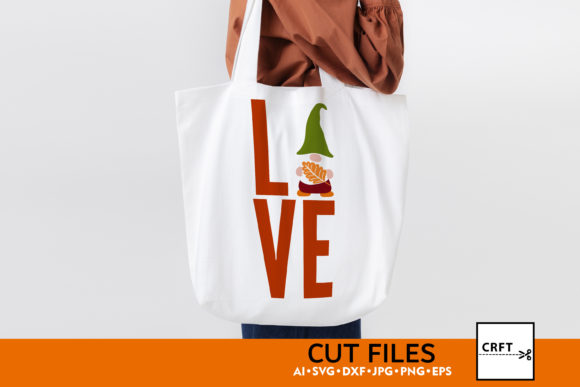
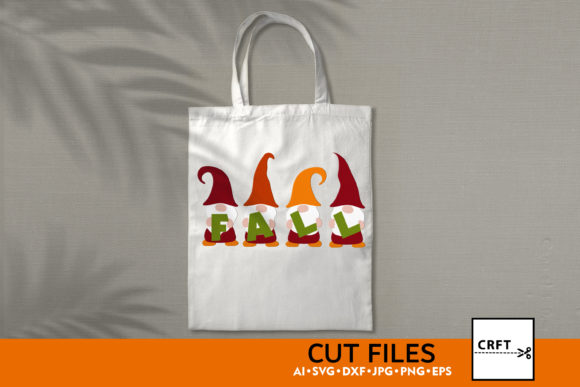
To test the true value of Leaves Are Falling, Fall is Calling, I imagined applying it to a few different substrates common in my workshop. My primary test case was a heavy-weight cotton tote bag. Tote bags are a staple for small business merchandise, and they require a design that can handle the texture of the fabric without losing definition. When I visualized the tote bag design in my mind, the larger leaves provided excellent coverage, while the text remained legible against the natural canvas weave.
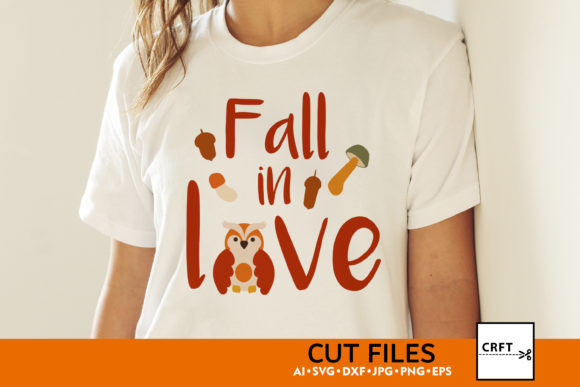
I also considered how this would translate to custom apparel, specifically a crewneck sweatshirt. Autumn is peak season for sweatshirts, and customers expect high-quality sweatshirt embroidery. The design's layout allows for placement on the chest or sleeve without overwhelming the garment. The contrast between the implied earth tones of the leaves and a cream or navy background creates a striking visual appeal that elevates the perceived value of the finished product. For a craft business, this means you can charge a premium price because the design looks bespoke rather than mass-produced.
Another promising avenue is the embroidered patch. The defined edges of the leaves and the clear lettering make this an ideal candidate for digitizing into a patch format. Patches are a hot commodity for DIY enthusiasts and fashion brands alike. Imagine these patches sold alongside denim jackets or backpacks at a craft fair. The versatility of Leaves Are Falling, Fall is Calling extends to home decor as well. A pillow cover or kitchen towel featuring this motif adds a touch of seasonal charm that fits perfectly into a farmhouse or modern rustic interior.
Navigating Challenges: Where Caution Is Needed
While the design is robust, experienced designers know that no embroidery file is universally perfect without adjustment. There are specific scenarios where Leaves Are Falling, Fall is Calling requires careful handling. First, consider the hoop size. If your machine has a limited hoop capacity, you may need to resize the design. Be wary of shrinking it too much; the intricate details of the leaf veins and the kerning of the text could become muddy. Tiny lettering is the enemy of clean fill stitch areas, so always preview the design at 100% scale before committing to a project.
Fabric choice is equally critical. On textured fabrics like fleece or thick wool, the stitch density might need to be adjusted to prevent puckering. Similarly, on thin or stretchy fabrics like jersey knit, the weight of the thread could distort the material if not properly supported. Always use a high-quality stabilizer appropriate for the fabric type. For dark fabrics, ensure the thread colors offer sufficient contrast. A light orange leaf on a black background needs a dense underlay to pop; otherwise, the design will disappear into the fabric.
Furthermore, if you plan to apply this to curved surfaces like caps, the distortion of the text must be accounted for. The phrase "Fall is Calling" might warp if placed over the crown of a hat without proper digitizing adjustments. In such cases, testing the design on scrap fabric first is non-negotiable. This step saves you from ruining expensive materials and ensures the final result meets your quality standards.
Designer Notes for Professional Execution
For those ready to integrate Leaves Are Falling, Fall is Calling into their workflow, here are some practical tips to ensure success. Start by running a test stitch on a scrap piece of the exact fabric you intend to use. Check the running stitch outlines to ensure they are smooth and free of gaps. Inspect the satins stitch elements for consistency; uneven satin columns can ruin the professional look of a design.
Color selection plays a massive role in the final aesthetic. While the design likely comes with default color suggestions, don't be afraid to experiment. Try deep burgundies, burnt oranges, and mustard yellows to capture the essence of the season. Compare these choices against both light and dark fabric backgrounds using printable mockups to visualize the outcome before spending thread and time.
Licensing is another vital consideration. As a commercial embroidery provider, you must confirm whether the license allows you to sell finished items or just the digital file. If you are selling the physical handmade product, ensure your usage rights cover that scope. Selling design assets or the file itself usually requires a different tier of licensing. Always review the terms to protect your business reputation and avoid legal issues.
Final Verdict: A Seasonal Staple
In conclusion, Leaves Are Falling, Fall is Calling is more than just a seasonal graphic; it is a functional tool for creative entrepreneurs. Its ability to bridge the gap between whimsical art and practical application makes it a strong contender for any fall collection. Whether you are a hobbyist making holiday gifts or a professional decorator fulfilling large orders, this design offers the flexibility and visual impact needed to stand out in a crowded market.
By respecting the technical requirements of machine embroidery—from stabilizer choice to stitch density—you can transform this digital file into a high-quality, tangible good that customers will love. The design enhances brand consistency, boosts buyer engagement, and delivers a polished presentation that speaks to the quality of your craftsmanship. For anyone looking to add a touch of autumn magic to their portfolio, this is a worthy addition to your library of digital embroidery files.