FALL in the Air: A Designer's Embroidery Review
As a designer who has spent years translating digital concepts into tangible thread, I approach every new asset with a critical eye. When I first opened the FALL in the Air file, my immediate goal wasn't just to admire the aesthetic; it was to visualize how this specific set of Graphics would translate into a physical machine embroidery design. The title suggests movement and seasonality, promising a collection of funny signs and autumn motifs perfect for DIY decorations. But does it hold up under the scrutiny of a professional hoop? Let's dig into the practical application of this design for real-world projects.
The Visual Mood and Design Personality
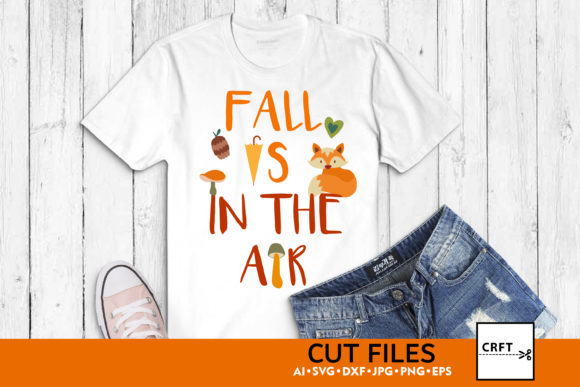
The first impression of FALL in the Air is one of whimsical charm. The layout balances playful typography with classic autumn iconography, creating a vibe that feels both cozy and energetic. For a craft business owner looking to refresh their seasonal inventory, this kind of visual personality is crucial. It doesn't just say "autumn"; it says "celebration." However, when converting an SVG intended for cutting machines into an embroidery file, the challenge lies in preserving that delicate balance. The shapes need to be robust enough to withstand the tension of stitching without losing their character.
In my studio, I often use designs like this for custom apparel where the message needs to pop. The "funny signs" aspect mentioned in the description suggests text-heavy elements. In embroidery, text is the most unforgiving element. If the kerning is too tight or the font weight is too thin, the stitch density can become muddy, turning crisp letters into blobs of thread. With FALL in the Air, the key will be ensuring the lettering is thick enough to support a clean fill stitch while maintaining legibility on smaller items.
Real-World Application: The Custom Tote Bag Scenario
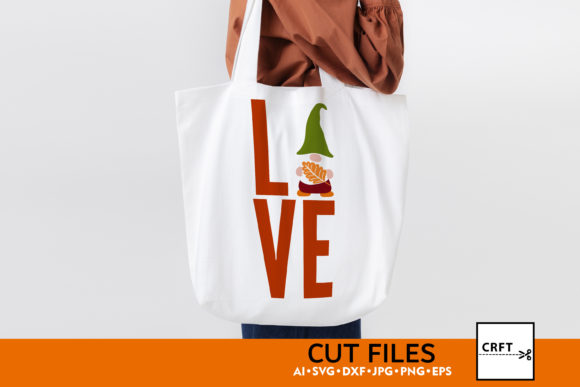
To truly test this asset, I imagined a specific project: a limited run of canvas tote bags for a local boutique. These bags are sturdy, textured, and high-traffic items. I placed the central motif from FALL in the Air onto a mockup of a 10x10 inch bag. The scale worked beautifully. The autumnal elements provided a focal point that drew the eye, while the accompanying text added a layer of personality that customers love to engage with.
However, the transition from screen to fabric revealed some considerations. Canvas has a distinct fabric texture that can interfere with fine details. On a smooth cotton shirt, a tiny leaf might look sharp. On a woven tote, that same leaf could get lost in the weave if the running stitch outline isn't dense enough. For this project, I would likely opt for a slightly larger hoop size to allow the machine to capture the full resolution of the design. This ensures that the finished product looks premium rather than rushed. The result would be a handmade product that feels substantial and well-crafted, justifying a higher price point in a competitive marketplace.
Navigating Fabric Challenges and Placement
While FALL in the Air shines on stable fabrics like denim, twill, and heavy cotton, it requires careful handling on more challenging surfaces. If you are planning to use this design for sweatshirt embroidery, be mindful of the fabric's stretch. Knits move, and if your stabilizer isn't adequate, the design can pucker or distort after washing. I always recommend testing the design on a scrap piece of the actual garment fabric before committing to a client order.
Another area of caution is caps and hats. The curved surface of a cap distorts flat designs. The "funny signs" in this collection might wrap awkwardly around the brim or crown if not repositioned. For curved surfaces, simpler elements from the FALL in the Air suite work better than complex, multi-part compositions. Similarly, on dark fabric, the contrast becomes vital. Light-colored threads might require a backing fill to ensure visibility, which adds to the stitch count and production time. Always check how the thread colors interact with your base material in a printable mockup before starting the machine.
Commercial Viability and Small Business Strategy
For the Etsy seller or small shop owner, the commercial potential of FALL in the Air is significant. Seasonal items drive traffic, and a cohesive line of products featuring these graphics can boost brand recognition. Imagine a collection of holiday embroidery items: pillow covers, kitchen towels, and even personalized gifts like baby onesies. The versatility of the design allows it to fit into various categories within the Crafts niche.
However, value perception is everything. A poorly executed stitch job can ruin a great design. If the stitch density is too low, the design looks flimsy. Too high, and the fabric stiffens. Finding the sweet spot ensures that your finished product feels durable and luxurious. Customers buying custom apparel expect quality; they want to see clean edges, consistent tension, and vibrant colors. Using FALL in the Air correctly elevates your brand consistency and builds trust with buyers who return year after year for your seasonal drops.
Practical Designer Notes for Success
- Test First: Never skip the test run on scrap fabric. Check for registration issues between different color layers.
- Stabilizer Matters: Use a cut-away stabilizer for stretchy knits and tear-away for wovens to maintain the integrity of the design.
- Color Contrast: Ensure the thread colors stand out against the background. Dark fabrics may need a white underlay.
- Licensing Check: Before selling any finished product or offering this as a digital embroidery file, confirm the license terms. Some assets are for personal use only.
- Mockups: Create black and white previews to judge the clarity of the lines without the distraction of color.
Final Verdict on FALL in the Air
Ultimately, FALL in the Air is a strong contender for your autumn design library, provided you respect the technical limitations of embroidery. It offers the visual punch needed for commercial embroidery projects and the charm required for heartfelt personalized gifts. Whether you are making a single embroidered patch for a friend or launching a full line of small shop merchandise, this design provides a solid foundation. By paying attention to hoop size, fabric choice, and stitch settings, you can transform these digital Graphics into tactile treasures that customers will cherish long after the leaves have fallen. As a reviewer, I give it a confident nod for its versatility, but I urge all makers to test thoroughly to ensure the magic translates perfectly from the screen to the stitch.