Fall Breeze Autumn Leaves: A Designer's Review
As a designer who spends countless hours translating digital concepts into tangible stitched reality, I approach every new asset with a critical eye. The market is flooded with generic seasonal graphics, but finding a piece that truly translates well from screen to fabric is rare. Recently, I evaluated the Fall Breeze Autumn Leaves design, marketed primarily as an SVG cut file for Cricut users and crafting enthusiasts. While the product description highlights its utility for funny signs, cake toppers, and party decorations, my focus was different. I wanted to know if this Graphics asset could hold up under the scrutiny of a professional embroidery machine and serve as a viable component for high-quality handmade products.
First Impressions: Mood and Visual Personality
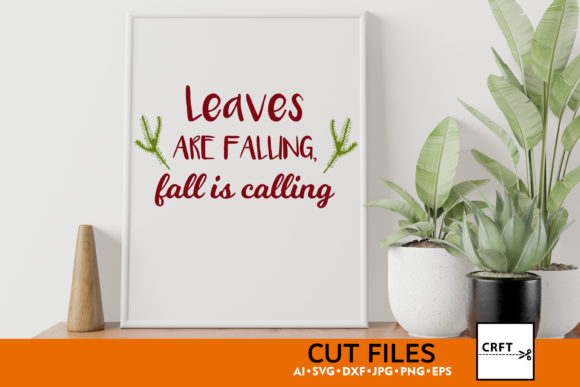
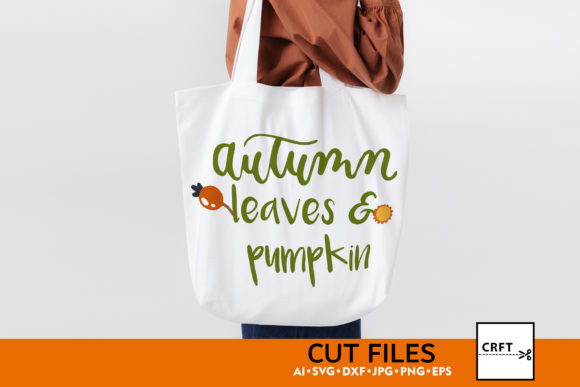
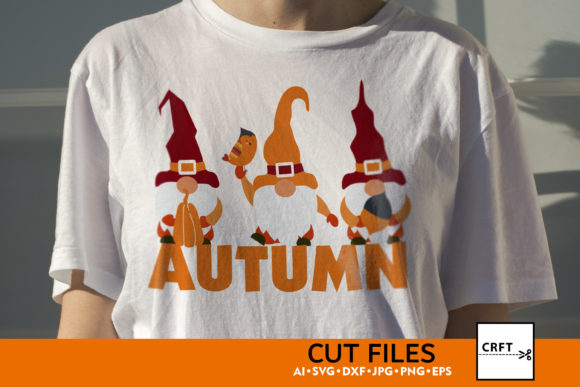
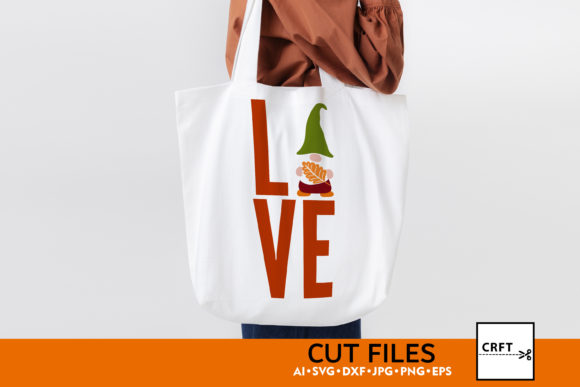
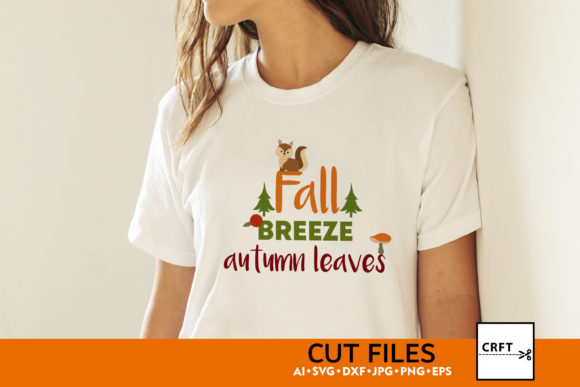
At first glance, Fall Breeze Autumn Leaves exudes the cozy, nostalgic warmth we all associate with the season. The visual personality is playful yet grounded, avoiding the overly cluttered look that plagues many autumn-themed designs. The shapes are distinct, with clean lines that suggest they would translate well into vector paths for cutting machines, but more importantly for us, they imply a manageable stitch path for embroidery.
The mood it creates is inviting—perfect for the "hygge" aesthetic that dominates fall decor trends. However, when reviewing a design for real project use, I immediately start mentally converting those sharp digital edges into satin stitches and fill areas. The layout feels balanced, not too top-heavy, which is crucial for apparel applications. It has the potential to be a versatile machine embroidery design, provided the details are scaled correctly.
Translating Digital Graphics to Stitched Reality
The transition from an SVG file to a finished embroidered patch or garment decoration requires careful consideration. In my testing scenario, I envisioned using Fall Breeze Autumn Leaves on a heavy-weight canvas tote bag for a local craft fair. This is a staple item for any small shop product line. The organic shapes of the leaves in this design naturally lend themselves to a combination of fill stitch for the leaf bodies and satin stitch for the veins and outlines.
For custom apparel, such as a unisex sweatshirt or a flannel shirt pocket, the design offers a great opportunity for storytelling. Imagine a customer ordering a personalized gift for their teacher; the autumn theme combined with a simple monogram nearby could elevate a basic sweatshirt into a premium, thoughtful present. The key here is how the design interacts with the fabric texture. On a smooth cotton blend, the leaves will pop with clarity. On a textured fleece, the stitch density needs to be optimized to ensure the definition isn't lost in the nap of the fabric.
I also considered its application on baby items. A soft muslin burp cloth or a knit onesy could feature a smaller version of this motif. For baby embroidery, safety and softness are paramount. The design must not have excessive thread buildup that might irritate sensitive skin. If you plan to use Fall Breeze Autumn Leaves for nursery decor, ensure the digitized version uses fine threads and avoids overly dense areas that create stiffness.
Navigating Fabric Challenges and Hoop Limitations
While the design looks promising, there are specific scenarios where caution is required. One of the biggest challenges with leaf motifs is the pointed tips. When embroidering on stretchy fabrics like jersey or spandex blends, these points can sometimes curl or pucker if the stabilizer isn't chosen correctly. I strongly advise against using this design on thin, sheer fabrics without a tear-away stabilizer underneath, as the weight of the thread could distort the material.
Hoop size is another critical factor. If you are working within a 4x4 hoop, you may need to simplify the arrangement of the leaves in Fall Breeze Autumn Leaves to avoid crowding. Overcrowding leads to registration issues where the needle misses the intended spot, ruining the visual appeal. Conversely, on large projects like pillow covers or blankets, the design can be expanded to include more foliage, creating a lush, garden-like effect.
Dark fabrics present their own set of hurdles. To make the vibrant orange, red, and yellow hues of autumn leaves stand out against a charcoal or navy background, you will likely need a layer of white underlay. Without this, the colors can appear muddy. Always test your thread colors on a scrap piece of the actual fabric before committing to a client order. The difference between a professional finish and a DIY-looking mess often comes down to these small technical decisions.
Business Viability for Etsy Sellers and Craft Entrepreneurs
For the Etsy seller or creative entrepreneur looking to expand their catalog, Fall Breeze Autumn Leaves represents a solid addition to your design assets. Seasonal items drive significant traffic during Q3 and Q4. By offering this design on various mediums—from tote bag designs to holiday-themed aprons—you can capture the impulse buyer looking for last-minute gifts.
However, professionalism is key to building customer trust. Before listing a product featuring this design, create a high-quality printable mockup to showcase how it looks on a finished product. Customers cannot feel the thread, so your imagery must convey quality. Show close-ups of the stitching to highlight the crispness of the leaf edges. If the finished product looks sloppy in the photos, buyers will assume the physical item is just as poor.
When considering commercial embroidery, always verify the licensing terms. Even though the product description mentions it is perfect for DIY decorations and party supplies, selling finished goods often falls under a different category than personal use. As a business owner, you must confirm whether the license allows you to sell items made with this digital embroidery file. Ignoring this can lead to legal issues and damage your brand reputation.
Practical Designer Notes for Implementation
To get the best results with Fall Breeze Autumn Leaves, follow these practical steps:
- Test on Scrap Fabric: Never skip this step. Run the design on the exact fabric and stabilizer combination you plan to use. Check for puckering, thread breaks, or registration errors.
- Review Stitch Density: If the leaves look too thick, reduce the density in your software to prevent the fabric from becoming stiff. This is especially important for items that need frequent washing, like kitchen towels or aprons.
- Check Small Details: Inspect the smallest veins or text elements. If they are too tiny, they may disappear once stitched. Consider simplifying these areas for better clarity.
- Compare Light and Dark Backgrounds: Create mockups on both light and dark fabrics to see how the color palette performs. You may need to adjust the thread sequence to accommodate different bases.
- Use Proper Stabilizer: For textured or stretchy materials, a cut-away stabilizer provides the necessary support to keep the design flat and durable over time.
In conclusion, Fall Breeze Autumn Leaves is a versatile asset that bridges the gap between digital crafting and traditional textile arts. While it originates as an SVG for cutters, its structural integrity makes it a strong candidate for custom apparel and home decor. With careful attention to digitization, fabric selection, and licensing, this design can become a profitable staple for your craft business, delighting customers with its seasonal charm and professional execution.