The Loud One: A Designer’s Take on Bold Embroidery
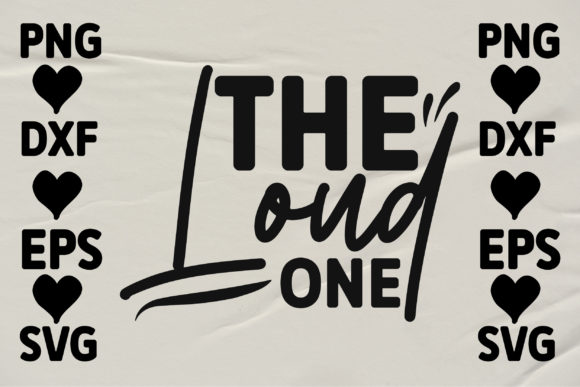
As a designer who spends half my life staring at stitch simulations and the other half pulling tangled thread out of bobbins, I have learned to be skeptical of flashy graphics. We see thousands of digital embroidery file options every week, but few translate well from screen to fabric. When I first opened The Loud One, my initial reaction was cautious curiosity. This isn’t just another generic clipart upload; it is a piece of Graphics work that demands attention. Created by a graphic designer with three years of Adobe Illustrator and Photoshop experience, this design carries the clean vector precision we need for crisp stitching, but does it hold up under the needle?
First Impressions and Visual Personality
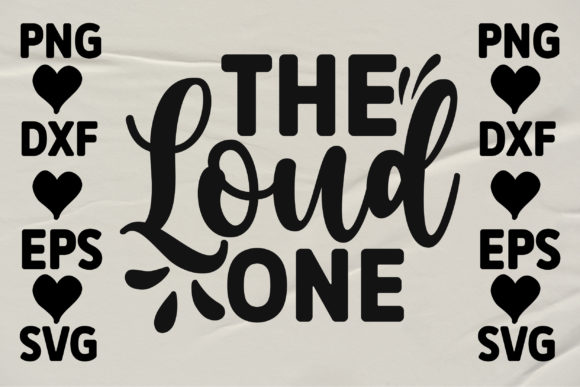
The mood of The Loud One is unmistakable. It is bold, humorous, and unapologetically expressive. In the world of Crafts, where subtlety often reigns supreme in nursery decor or wedding linens, this design screams personality. The layout suggests a high-impact visual statement, likely relying on strong outlines and solid fills rather than delicate, fragile details. For an embroidery product reviewer, this is promising. Delicate lines break; bold shapes endure.
The visual personality here fits squarely into the realm of modern, quirky handmade goods. It doesn’t try to be elegant in the traditional sense. Instead, it offers character. When I imagine this stitched out, I don’t see it on a formal tablecloth. I see it on a canvas tote bag slung over a student’s shoulder, or on the back of a oversized sweatshirt worn by someone who wants their outfit to do the talking. The design’s strength lies in its clarity. Even from a distance, the message and shape remain legible, which is crucial for any successful embroidery project.
Real-World Application: The Tote Bag Test
To truly evaluate The Loud One, I mentally walked through a recent client request for custom merchandise. Imagine a local coffee shop wanting branded handmade product items for their staff. They need something durable, washable, and eye-catching. A standard logo might be boring, but The Loud One could serve as a fun, limited-edition design for their "Barista Life" collection.
If I were stitching this onto a heavy-weight cotton canvas tote bag design, the bold nature of the graphic would stand up beautifully against the textured weave. Canvas can be tricky because the needle has to push through thick fibers, but a design with substantial coverage helps anchor the fabric. I would likely use a cut-away stabilizer to ensure the hoop tension doesn’t distort the bag’s shape. The result would be a sturdy, professional-looking accessory that customers actually want to buy, rather than just accept as a freebie.
Sweatshirts and Custom Apparel
Moving from accessories to clothing, let’s consider sweatshirt embroidery. This is where many designs fail due to fabric stretch. Fleece and French terry are forgiving, but they can swallow up small details. Because The Loud One appears to rely on strong forms, it should perform well here. However, I would advise using a fill stitch strategy that isn’t too dense. Too much density on a sweatshirt makes the garment stiff and uncomfortable to wear. A balanced approach, perhaps mixing satin borders with lighter fill areas, would keep the custom apparel soft while maintaining the design’s impact.
For a personalized gift, such as a birthday present for a friend who loves loud humor, this design is ideal. It transforms a basic garment into a unique statement piece. The key is placement. Centered on the chest, it works for a casual tee. On the upper back of a hoodie, it becomes a walking billboard. As an Etsy seller, offering this as a made-to-order item could significantly boost engagement, as buyers love products that reflect their specific sense of humor.
Technical Considerations for Stitching
While the aesthetic is strong, we must address the technical realities of turning this SVG concept into a physical machine embroidery design. Since the source is a vector graphic from Illustrator, the conversion process is critical. Automatic digitizing often fails with complex shapes, creating unnecessary jumps or poor stitch angles.
- Stitch Density: Check the density carefully. If the design has large solid areas, ensure the underlay is sufficient to prevent puckering, especially on thinner fabrics.
- Thread Colors: This design likely relies on contrast. Test your thread colors against your fabric. A dark thread on dark fabric will vanish. Use a high-contrast palette to make the design pop.
- Small Details: Inspect any tiny elements. If there are small text components or intricate corners, they may need to be simplified or removed. Tiny lettering rarely survives the washing machine intact.
- Hoop Size: Confirm the required hoop size before starting. If the design is large, you may need a 5x7 or larger hoop. Never try to squeeze a large design into a small hoop by resizing it disproportionately, as this distorts the stitch balance.
Where to Use Caution
Not every surface is suitable for The Loud One. I would hesitate to use this on delicate silks or thin rayon shirts without extensive stabilization, as the weight of the stitches could pull the fabric. Similarly, avoid using it on curved surfaces like caps unless the design has been specifically digitized for that curvature. Standard flat digitizing will warp when applied to a structured cap.
Also, consider the end-user. If this is for a baby embroidery project, ensure all threads are secure and no small applique pieces are used that could become choking hazards. For items that will undergo frequent industrial washing, such as restaurant aprons, test the colorfastness of your threads rigorously.
Commercial Value and Brand Consistency
For small shop product lines, consistency is key. The Loud One fits well within a brand identity that values humor, authenticity, and boldness. It adds value to a finished product because it feels intentional, not just slapped on. Customers trust handmade items that look professionally executed. A clean, well-stitched version of this design signals quality.
When creating printable mockup assets for your online store, show this design on diverse backgrounds. Show it on a beige linen tote, a black denim jacket, and a white cotton pillow. This helps buyers visualize the versatility of the design assets. Remember, as a craft business owner, your presentation sells the dream as much as the product itself.
Final Verdict for Designers
The Loud One is a compelling addition to your library if you understand its strengths. It is not a subtle background element; it is the star of the show. Before committing to a full production run, always stitch out a test sample on scrap fabric identical to your final material. Check the back of the hoop for excessive thread buildup, which indicates poor tension or density settings.
Since the creator is a graphic designer, the source file is likely clean, but you must verify the license terms. Ensure you have the right to use this for commercial embroidery if you plan to sell finished goods. Do not assume that purchasing the digital file grants unlimited commercial rights without checking. Once verified, this design offers a fantastic opportunity to create memorable, high-engagement products for your customers. It is loud, yes, but sometimes, that is exactly what the market needs.