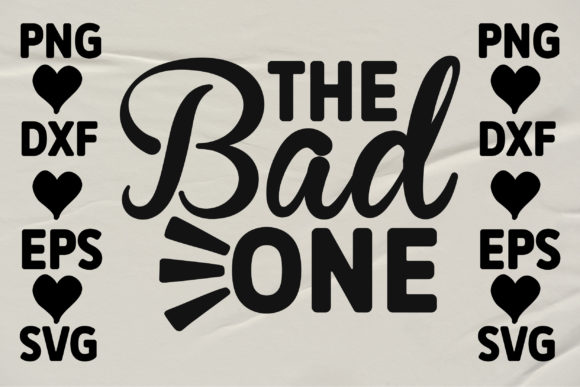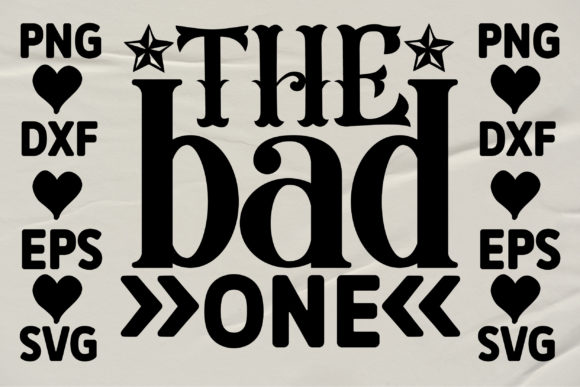
The Bad One 1: A Designer’s Take on Bold Embroidery
As a designer who spends half my life staring at stitch simulations and the other half untangling thread nests, I have learned to look past the glossy preview images. We all know that what looks crisp on a screen does not always translate cleanly to fabric. When I first opened The Bad One 1, I was not just looking for a cute graphic; I was evaluating its potential as a viable asset for my client work and personal craft business. This is not just another generic download; it is a piece of digital art that demands attention, and for an embroidery professional, that means asking hard questions about density, scale, and application.
First Impressions and Visual Personality
The immediate mood of The Bad One 1 is playful yet edgy. It carries a distinct personality that fits perfectly into the current trend of ironic, bold statement pieces. For those of us in the Crafts sector, especially those selling on platforms like Etsy, standing out is crucial. This design does not whisper; it speaks. The lines are confident, suggesting that the original vector work was done with precision. As a graphic designer myself, I appreciate clean paths, because clean paths usually mean fewer jump stitches and cleaner satin columns in the final embroidery file.
However, visual appeal is only half the battle. The true test is how these shapes hold up when converted from pixels to threads. The design features elements that likely rely on a mix of satin stitch for borders and fill stitch for larger areas. My initial assessment suggests that the balance between negative space and stitched area is well-considered, which is vital for maintaining the drape of the garment.
Real-World Application: The Sweatshirt Test
To truly evaluate The Bad One 1, I imagined a specific real-life scenario. A client wanted a custom run of heavyweight cotton sweatshirts for a small boutique launch. They needed something that felt modern and slightly rebellious. This design fit the brief perfectly. But would it work?
I placed the design mentally on the left chest of a unisex sweatshirt. At this smaller scale, the details need to remain legible. If the design includes tiny text or intricate corners, they might merge into a blob of thread if the stitch density is too high. In my experience, designs labeled as "funny" or "bold" often sacrifice readability for style. With The Bad One 1, the key is ensuring that the essential elements are large enough to be recognized from a distance. For a tote bag or a larger back-print on a hoodie, the design would shine, allowing the thread colors to pop against the fabric texture.
Navigating Fabric and Hoop Constraints
One of the most critical aspects of using any new machine embroidery design is understanding its limitations. The Bad One 1 is not a one-size-fits-all solution. Here is where practical judgment comes in:
- Small Hoop Sizes: If you are working with a 4x4 inch hoop, you must check if the design scales down without losing integrity. Tiny details can cause needle breaks or bird nests.
- Stretchy Fabrics: Using this on a baby onesie or a thin t-shirt requires caution. Without proper stabilization, the pull of the fill stitches can distort the fabric, ruining the look of the baby embroidery or apparel.
- Dark Fabrics: If the design relies on light thread colors, ensure there is no underlying white fill that might peek through dark garments. A good applique design strategy or proper underlay stitching is essential here.
- Curved Surfaces: Applying this to a cap requires careful hooping. The design’s layout should be checked to ensure it does not wrap awkwardly around the curve of the crown.
For textured fabrics like towels or blankets, the running stitch outlines might get lost. In such cases, increasing the satin width or adding a border can help the design stand out. Always test on scrap fabric first. This is non-negotiable for professional results.
Commercial Viability and Brand Consistency
For Etsy sellers and small shop owners, the value of a design lies in its versatility and marketability. The Bad One 1 has strong potential for commercial embroidery projects because it taps into emotional humor. People buy gifts that make them laugh or feel seen. Whether it is a personalized gift for a best friend or a quirky addition to a kitchen towel, the design creates an instant connection.
However, professionalism matters. Before listing finished products, consider how the design aligns with your brand. If your shop focuses on delicate, floral aesthetics, this bold graphic might clash. But if your brand is about fun, modern, and expressive handmade products, this asset is a goldmine. It enhances buyer engagement because it is memorable. Customers are more likely to share photos of unique, conversation-starting items, which drives organic traffic to your store.
Technical Notes for the Serious Stitcher
Before you hit "start" on your machine, take a moment to review the technical specifics. Since the provider mentions experience with Adobe Illustrator and Photoshop, we can expect high-quality source files. However, as a reviewer, I must advise you to verify the following:
- Check the Format: Ensure the digital embroidery file is compatible with your machine brand. Common formats include PES, DST, and EXP. Do not assume compatibility.
- Inspect Stitch Count: High stitch counts mean longer run times and more thread usage. Calculate this into your pricing model for custom apparel.
- Color Separation: Review the color sequence. Does it minimize thread changes? Efficient color stops save time and reduce loose ends.
- Licensing Terms: Always confirm the license. Can you sell physical items made with this design? Can you resell the digital file? Most designers allow physical sales but prohibit digital redistribution. Respect the creator’s rights.
Final Verdict on The Bad One 1
In the world of Graphics and crafts, finding a design that balances artistic flair with technical feasibility is rare. The Bad One 1 succeeds because it offers a clear visual identity that translates well to various mediums, from embroidered patches to large tote bag designs. It is not just a pretty picture; it is a functional design asset that, when handled with care, can elevate your product line.
Remember, the best embroidery is not just about the machine; it is about the maker’s insight. Test your tension, choose your stabilizer wisely, and let the design do the talking. Whether you are creating holiday gifts or building a boutique brand, this design offers a solid foundation for creative expression. Just keep your scissors handy and your hoop tight.