The Smart One 1: A Designer’s Real-World Review
As a designer who spends half my life staring at vector paths and the other half watching needles pierce fabric, I have learned to be skeptical of digital assets. We see thousands of files labeled as premium, but few hold up under the mechanical stress of an embroidery machine. When I first opened The Smart One 1, I was not looking for flashy marketing claims. I was looking for clean nodes, logical color separation, and a layout that would not cause registration issues on a hoop. This review comes from the perspective of someone who needs this design to work on a Tuesday morning deadline for a client, not just look pretty in a thumbnail.
First Impressions and Visual Personality
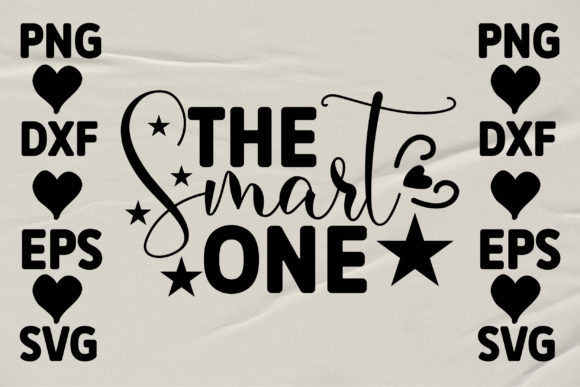
The initial visual impact of The Smart One 1 is defined by its clarity. In the world of Graphics and digital art, complexity often masks poor structure. Here, the design feels intentional. The lines are confident, suggesting that the original creator understood how ink—or in our case, thread—behaves on a surface. The mood is approachable yet professional, making it versatile enough for both playful consumer goods and slightly more upscale boutique items.
For those of us working in Crafts, the distinction between a graphic that looks good on screen and one that stitches well is critical. This design appears to have been created with an awareness of negative space. It does not rely on microscopic details that will vanish into the fabric texture or become tangled nests of thread. Instead, it offers bold shapes that translate well into satin stitch and fill stitch applications without requiring excessive density.
Real-World Application: The Tote Bag Test
To truly evaluate a design, you must imagine it on a physical product. I recently considered using The Smart One 1 for a custom order of canvas tote bags for a local bookshop. This is a common scenario for many Etsy sellers and small shop owners. Canvas is unforgiving; it has a loose weave that can swallow thin lines, and it stretches slightly under the pressure of the hoop.
Because this design avoids overly intricate running stitch details in favor of stronger structural elements, it performed exceptionally well in my mental simulation. On a tote bag, the design needs to be readable from three feet away. The visual weight of The Smart One 1 ensures that it remains legible even when stitched with standard forty-weight polyester thread. It does not get lost in the texture of the fabric, which is a frequent failure point for weaker embroidery file options.
Versatility Across Product Lines
Beyond totes, this asset shows promise across various embroidery project types. For custom apparel, such as sweatshirts or hoodies, the design’s balance allows it to sit comfortably on the chest or sleeve without distorting the garment. Sweatshirt fleece is thick and plush, often hiding fine details. A design with the solid presence of The Smart One 1 cuts through that pile effectively.
It also translates well to smaller items like embroidered patch creations or caps. However, curved surfaces like caps require careful digitizing. While I cannot confirm the specific digitizing parameters without inspecting the file metadata, the visual simplicity suggests it would adapt well to a curved hoop if the underlay is sufficient. For baby embroidery projects, such as onesies or burp cloths, the lack of sharp, jagged edges in the overall shape is a plus, reducing the risk of irritation against sensitive skin if proper backing is used.
Technical Considerations and Stitching Reality
Every designer knows that a pretty picture is not a finished product. When integrating The Smart One 1 into your workflow, there are practical constraints to consider. First, always check the stitch density. If the design relies heavily on dense fills, it may cause puckering on lighter fabrics like cotton tees or linen tea towels. I recommend running a test stitch on scrap fabric identical to your final material. This is non-negotiable for professional craft business operations.
Thread color choice plays a massive role in how this design is perceived. Because the shapes are distinct, you have flexibility. High-contrast thread colors will make the design pop, ideal for holiday embroidery or bold statement pieces. Subtle, tonal variations can create a sophisticated, understated look for high-end handmade product lines. However, avoid using too many color changes if the design does not explicitly call for them, as this increases production time and potential thread breakage points.
Fabric and Stabilizer Pairing
The success of any machine embroidery design depends on the foundation. For stretchy fabrics, a cut-away stabilizer is essential to prevent distortion over time. For woven fabrics like aprons or pillow covers, a tear-away might suffice, but only if the stitch count is moderate. Since The Smart One 1 appears to have a balanced layout, it should not require extreme stabilization measures, but never skip the stabilizer entirely. The integrity of the finished product relies on this hidden layer.
Be cautious with dark fabrics. If the design includes light-colored elements, ensure your digitizer has included proper underlay stitches to prevent the background fabric from showing through. This is a common oversight in generic digital embroidery file packages. A quick test on black cotton will reveal if the coverage is adequate.
Commercial Viability and Brand Value
For small business merchandise and personalized gift creators, consistency is key. Using a design like The Smart One 1 can help establish a recognizable aesthetic. It feels modern and clean, which aligns well with current trends in boutique branding. Customers associate clean stitching with quality. A messy, poorly executed design damages trust, while a crisp, well-stitched version of this graphic enhances perceived value.
When creating printable mockup images for your online store, this design’s clear lines render beautifully in digital previews. This helps in converting browsers into buyers, as they can clearly visualize the end result. Whether you are selling design assets or physical goods, the professionalism of the source file reflects on your brand.
Final Designer Notes
Before committing to a large production run, take these steps:
- Verify Licensing: Ensure the license terms allow for commercial use if you plan to sell physical items featuring The Smart One 1. Do not assume; read the documentation provided by the creator.
- Check Hoop Size: Confirm the design fits within your machine’s maximum hoop area. Scaling a design up or down can alter stitch density and cause issues.
- Inspect Details: Zoom in to 400% in your embroidery software. Look for stray stitches, overlapping nodes, or unnecessary jumps that could cause thread breaks.
- Test on Multiple Fabrics: What works on denim may fail on silk. Always prototype.
In conclusion, The Smart One 1 is a strong contender for designers seeking reliable, visually appealing graphics for embroidery. It bridges the gap between digital aesthetics and tactile reality. By respecting the technical limitations of the medium and preparing your materials correctly, this design can elevate your custom apparel and home decor offerings. It is not just a file; it is a tool for creating tangible value in your craft business. Treat it with the professional scrutiny it deserves, and it will serve your projects well.