Shut Up Liver You’re Fine: An Embroidery Review
As a designer who has spent years navigating the intersection of digital graphics and physical stitching, I approach every new file with a critical eye. The market is flooded with designs that look great on a screen but fall apart under the tension of an embroidery machine. When I first opened the Shut Up Liver You’re Fine design file, my immediate reaction was a mix of amusement and professional curiosity. This piece falls squarely into the realm of humorous, edgy Crafts, targeting a demographic that appreciates dark humor and self-deprecating wit. But does it translate from a digital vector to a tangible, high-quality stitch?
First Impressions: Visual Personality and Layout
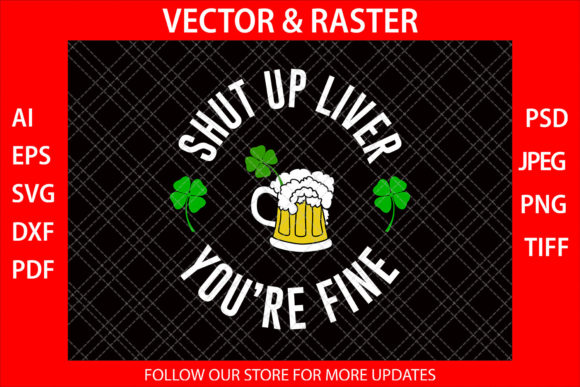
The concept behind Shut Up Liver You’re Fine is straightforward, relying on bold typography and a clear message rather than intricate illustration. In the world of Graphics, simplicity often wins, especially for apparel. The layout appears balanced, designed to be read quickly at a glance. For an embroidery project, this is crucial. Unlike complex floral motifs where thread flow can get muddy, text-heavy designs demand precision in letter spacing and kerning.
Visually, the design exudes a casual, rebellious energy. It feels like something you would see on a hoodie worn by a barista or a craft fair vendor taking a break. The mood is lighthearted yet grounded in reality, making it an excellent candidate for custom apparel or personalized gifts. However, the success of this design hinges entirely on execution. A poorly stitched version could look sloppy, undermining the joke entirely.
Real-World Application: From Screen to Stitch
To truly evaluate Shut Up Liver You’re Fine, I imagined a specific scenario: preparing a batch of custom embroidered tote bags for a local boutique specializing in funny kitchen goods. Tote bags are a staple for small business owners because they offer a large canvas and serve as walking advertisements. In this context, the design’s bold nature shines. Placed centrally on a sturdy canvas bag, the text would stand out without getting lost in fabric weave.
I also considered using this as a sweatshirt embroidery project for a holiday gift run. Sweatshirts provide a textured surface that interacts interestingly with thread. If the design utilizes a combination of fill stitch for the background and satin stitch for the letter outlines, the contrast could create a premium feel. The key here is ensuring the stitch density is appropriate. Too dense, and the heavy cotton of the sweatshirt will pucker; too sparse, and the letters will look thin and weak against the dark fabric.
For Etsy sellers looking to expand their catalog, this design fits perfectly into categories like holiday embroidery or general novelty items. It has that "giftability" factor—something people buy for friends who love wine, cooking, or just a good laugh. The visual appeal directly impacts customer trust; a clean, sharp stitch job signals professionalism, while a messy one suggests a hobbyist product.
Navigating Fabric and Hoop Challenges
While the design looks promising, there are specific situations where Shut Up Liver You’re Fine requires careful handling. One major concern is the use of stretchy fabrics. If you attempt this on a thin jersey t-shirt without the proper stabilizer, the hoop tension might distort the text, making the words unreadable. Always test the design on scrap fabric first to gauge how the material reacts to the needle penetration.
Another area of caution involves small hoop sizes. While the design is likely scalable, shrinking it down for a cap or a small patch can lead to issues with tiny lettering. On curved surfaces like caps, the top row of text might sit awkwardly if the arc isn't adjusted correctly in your software. Additionally, detailed corners in the lettering can sometimes snag or pull if the running stitch settings aren't optimized. I would advise avoiding very dark fabrics unless you are confident in your ability to layer colors effectively for visibility.
Technical Considerations for the Professional Maker
Before committing to a production run, any serious embroidery designer needs to verify the technical specifications of the machine embroidery design. Although the product description mentions it is a premium vector format perfect for cutting files, we must remember that SVG files intended for cutting machines (like Cricut or Silhouette) are not always ready for embroidery hoops without conversion. Ensure you have the correct digital embroidery file formats compatible with your specific machine brand.
Check the thread colors recommended or suggested by the file creator. High contrast is vital for readability. If you are placing this on a navy blue shirt, white thread works best, but consider if a metallic gold or silver thread could elevate the finished product value. Also, review the stitch count. A higher stitch count usually means better detail but longer production time, which affects your pricing model for commercial embroidery.
Do not overlook the importance of printable mockups when selling these items online. Customers need to see exactly how the text curves and sits on the garment. A realistic mockup builds buyer engagement and reduces return rates. Furthermore, confirm the licensing terms before selling finished items. Some design assets allow personal use only, while others grant commercial rights for handmade products. As a craft business owner, clarity here prevents legal headaches down the road.
Final Verdict on Design Utility
Shut Up Liver You’re Fine is a strong contender for anyone looking to add personality to their handmade product line. Its straightforward message makes it versatile for various applications, from embroidered patches to full-chest tote bag designs. However, its success relies heavily on the maker's attention to detail regarding stabilizers, fabric choice, and hoop placement.
If you are a small shop product creator or a creative entrepreneur, this design offers a low-risk entry into humorous apparel. It resonates well with current trends and fills a niche for relatable, witty content. Just remember to treat it with the same respect you would give a more traditional motif. Test it, refine your settings, and ensure the final stitch quality matches the confidence of the message. When executed correctly, this embroidery project can become a bestseller in your inventory, proving that even the silliest jokes deserve professional craftsmanship.