Reviewing the Funny Turkey Thanksgiving Design for Real Embroidery
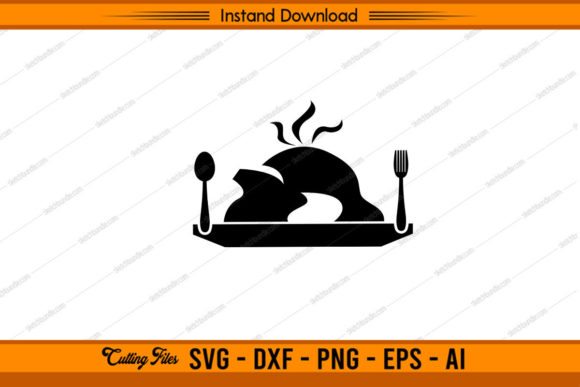
As a designer who spends half my life staring at digitized files and the other half pulling threads out of jammed machines, I approach every new machine embroidery design with a healthy dose of skepticism. We have all been there: you download a file that looks adorable on the screen, only to find it turns into a tangled mess of bird’s nest stitching once it hits the fabric. That is why I took a close look at the Funny Turkey - Thanksgiving design to see if it holds up under the needle.
This isn’t just about whether the turkey looks cute. It is about whether this graphic works as a functional embroidery file for real-world projects. Whether you are an Etsy seller looking to stock up for the holiday rush or a hobbyist making personalized gifts for family, the practicality of the design matters more than the initial visual appeal. Let’s break down how this Crafts category asset performs when moved from digital concept to tangible finished product.
First Impressions and Visual Personality
The first thing that strikes me about the Funny Turkey - Thanksgiving is its playful mood. It does not take itself too seriously, which is exactly what modern consumers want in holiday decor. The layout is balanced, avoiding the common pitfall of overly complex details that get lost in translation during stitching. For those of us working in Graphics and digital assets, we know that clean lines are essential. This design seems to prioritize clarity, which suggests it will stitch out cleanly without excessive jump stitches or thread breaks.
The theme is unmistakably seasonal, yet the "funny" aspect gives it versatility. It is not just for traditional table settings. I can easily imagine this working on a quirky apron for a host who loves to joke around, or on a toddler’s outfit for a chaotic but joyful family dinner. The visual personality is warm and inviting, creating an immediate emotional connection that drives buyer engagement for small shop products.
Real-World Application Scenarios
To truly evaluate an embroidery project, you have to visualize it on actual goods. I started by imagining this design on a canvas tote bag design. The bold nature of the turkey would stand out well against natural cotton, providing a sturdy base for the stitches. Next, I considered sweatshirt embroidery. Here, the design needs to be large enough to be seen but not so dense that it makes the garment stiff. Given the playful style, I believe this would work beautifully on the back of a crewneck or centered on the chest of a zip-up hoodie.
For baby embroidery, such as a onesie or a bib, scale is critical. If the original file allows for resizing without losing integrity, this could be a hit for new parents wanting festive photos. However, one must be cautious with tiny details on stretchy fabrics. I also pictured this as an embroidered patch. Patches are trending, and a humorous turkey motif would sell well at craft fairs. The key here is ensuring the edges are defined enough to cut cleanly if you are using a satin stitch border.
Another strong contender is kitchen textiles. A holiday embroidery motif on a flour sack towel adds instant charm. Since towels are washed frequently, the stitch density must be appropriate to withstand wear and tear. If the design relies too heavily on long running stitches without proper anchoring, it might loosen over time. This is where testing becomes non-negotiable.
Technical Considerations for Stitching
When dealing with any digital embroidery file, technical execution is everything. Before loading this onto your machine, consider the stitch density. High-density fills can cause puckering, especially on lighter fabrics like linen or thin cotton. If the Funny Turkey - Thanksgiving uses heavy fill stitches, you will need a robust stabilizer. I recommend using a cut-away stabilizer for garments that will be washed often, and a tear-away for decorative items like wall hangings.
Hoop size is another factor. Ensure the design fits comfortably within your hoop with enough margin for the frame to grip the fabric securely. If you are attempting custom apparel like caps, remember that curved surfaces distort designs. A flat embroidery area is ideal for this type of graphic. If you must stitch on a cap, use a cap frame and consider reducing the size slightly to prevent distortion around the seams.
Thread choice plays a massive role in the final look. For a funny turkey, traditional browns and oranges are expected, but do not be afraid to experiment. Using variegated threads can add depth to the feathers, while metallic threads might add a festive sparkle if used sparingly. Always check thread colors against your fabric texture. Dark fabrics may require an underlay or a lighter top thread to ensure visibility, while light fabrics show every shadow cast by dense stitching.
Where to Use Caution
Not every surface is suitable for every design. I would advise caution when using this on very textured fabrics like terry cloth or heavy wool. The fine details might get swallowed by the pile of the fabric. Similarly, avoid placing it on areas of high friction, such as the inner elbow of a sleeve or the seat of pants, unless you are using extremely durable thread and high-quality stabilization.
If the design includes small text or intricate facial features, test it on scrap fabric first. Tiny lettering often becomes illegible if the stitch count is too low or the needle size is too large. For commercial embroidery projects where consistency is key, run a batch of tests to ensure every unit meets your quality standards. This builds customer trust and protects your brand reputation.
Practical Designer Notes
- Test on Scrap: Never stitch directly on your final product. Use the same fabric and stabilizer combination to check for puckering or thread breaks.
- Check Licensing: The product description mentions it is an SVG PNG Cutting Print Ready File. Verify if the license permits commercial use for physical goods if you plan to sell finished items. Some licenses restrict digital resale but allow physical sales.
- Mockup Review: Create black and white mockups to assess contrast. If the design disappears in grayscale, it may lack definition in certain lighting conditions.
- File Compatibility: Ensure your machine can read the specific format provided. While it mentions cutting machines like Cricut or Silhouette, confirm if native embroidery formats (like PES, DST, or JEF) are included or if conversion is needed.
- Needle Selection: Use a fresh needle appropriate for your fabric type. A ballpoint needle for knits and a sharp needle for wovens will prevent skipped stitches.
In conclusion, the Funny Turkey - Thanksgiving design offers a charming option for seasonal crafting. Its success lies in careful preparation, appropriate material selection, and thorough testing. For craft business owners and makers, this asset can be a valuable addition to your library, provided you respect the technical limits of your equipment and materials. By focusing on quality execution, you transform a simple digital file into a cherished personalized gift or a best-selling small shop product.