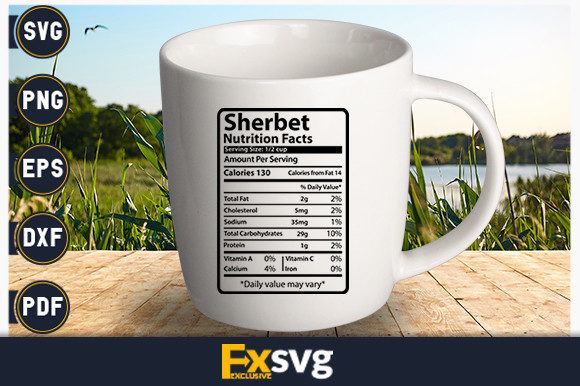
Reviewing Sherbet Nutrition Facts for Embroidery
As a designer who has spent countless hours digitizing and testing files for real-world application, I approach every new machine embroidery design with a critical eye. It is not enough for a graphic to look cute on a screen; it must hold up under the needle, survive the wash, and resonate with the end customer. Recently, I evaluated the Sherbet Nutrition Facts file, a humorous digital asset that blends retro aesthetics with modern wit. This review breaks down how this specific Graphics product performs when translated from a digital download into a tangible, stitched reality.
First Impressions and Visual Personality
The immediate appeal of Sherbet Nutrition Facts lies in its playful irony. By mimicking the standardized layout of a nutritional label but filling it with whimsical, sherbet-related data, the design creates an instant mood of lighthearted nostalgia. For an embroidery project, this structured layout presents both opportunities and challenges. The bold, blocky typography typical of nutrition labels translates well to stitching because it offers clear, defined edges. However, the humor relies heavily on legibility. If the text becomes a blob of thread, the joke is lost.
From a Crafts perspective, this design feels right at home in the current trend of "ugly-cool" or retro-kitsch decor. It does not try to be elegant or minimalist; instead, it leans into a busy, informative aesthetic that demands attention. When I first loaded the SVG into my editing software, I noted the clean vector lines, which are crucial for generating smooth stitch paths. The layout suggests a design that works best when given enough space to breathe, rather than being cramped into a tiny corner.
Real-World Application Scenarios
To truly test the viability of this digital embroidery file, I imagined several practical use cases for my own small shop and client projects. The most natural fit is undoubtedly custom apparel. Picture a pastel-colored sweatshirt with the Sherbet Nutrition Facts embroidered prominently on the chest or back. The contrast between the soft, cozy fabric and the rigid, clinical look of the label creates a delightful visual tension. This would make an excellent personalized gift for foodies, grandparents, or anyone with a sweet tooth.
Beyond apparel, this design shines on home goods. A kitchen towel or apron featuring this motif adds a layer of personality to utilitarian items. For an Etsy seller looking to differentiate their handmade product listings, this could be a standout item during holiday seasons. Imagine pairing it with actual sherbet-themed colors—soft pinks, oranges, and yellows—to create a cohesive boutique collection. It also works surprisingly well on tote bags, where the flat surface allows for maximum clarity of the smaller text details.
For those interested in nursery decor, a modified version using baby-safe thread colors could adorn a pillow cover or blanket. While the text might be too complex for a baby to read, the graphic shape serves as a charming baby embroidery accent that parents will appreciate for its uniqueness. It transforms a standard item into a conversation piece, enhancing the perceived value of the finished product.
Technical Considerations for Stitching
While the concept is strong, the execution requires careful planning. The primary concern with any text-heavy embroidery file is stitch density and size. Nutrition labels contain fine print. If you attempt to stitch this design at a small scale, such as on a cap or a small patch, the smaller text may merge together. I strongly advise testing the design on scrap fabric first to determine the minimum viable hoop size. A 5x7 inch hoop might be the safest bet to ensure every letter remains distinct.
Fabric choice plays a pivotal role here. On textured fabrics like terry cloth towels, the intricate details of the Sherbet Nutrition Facts might get lost. In such cases, consider using an applique design technique where the main body of the label is a solid piece of fabric, and only the border and key text are stitched. This reduces stitch density and prevents the fabric from puckering. For smooth fabrics like cotton twill or jersey, direct stitching with a combination of satin stitch for borders and fill stitch for larger blocks will yield the crispest results.
Thread color contrast is another critical factor. Since the design mimics a black-and-white label, using high-contrast threads is essential. Black thread on white fabric is classic, but for a more vibrant look, try dark navy on cream or deep purple on light pink. Avoid low-contrast combinations, as they will render the text unreadable. Always check your design in a black-and-white mockup before stitching to simulate how the eye perceives value and shape without color distraction.
Navigating Challenges and Limitations
There are scenarios where this design should be used with caution. Curved surfaces, such as baseball caps, pose a significant challenge due to the distortion of the rectangular label shape. Unless you have advanced digitizing skills to warp the design appropriately, it may look skewed after stitching. Similarly, stretchy fabrics require a robust stabilizer strategy. Without proper hooping and stabilization, the tension of the stitches can distort the rectangular frame, making the "nutrition facts" look warped and unprofessional.
Additionally, consider the durability of the product. Items that undergo frequent washing, like baby clothes or kitchen towels, need secure stitching. Ensure that any small decorative elements are tied off properly to prevent unraveling. If you are creating a commercial embroidery run, consistency is key. Verify that your machine handles the transition between dense text areas and open spaces smoothly to avoid thread breaks or bird nests.
Enhancing Brand Value and Customer Engagement
From a business standpoint, Sherbet Nutrition Facts offers more than just aesthetic appeal; it drives engagement. Humor sells. Customers are more likely to share photos of unique, funny items on social media, providing organic marketing for your craft business. This design fits perfectly into the niche of quirky, giftable items that stand out in a saturated market. It signals to buyers that your brand has personality and attention to detail.
When listing this as a small shop product, highlight the versatility. Show mockups of the design on various items to help customers visualize the end result. Use terms like tote bag design or sweatshirt embroidery in your descriptions to improve search visibility. Remember, the perceived quality of the stitch work directly influences customer trust. A clean, well-executed version of this design reinforces your reputation as a skilled artisan.
Final Designer Notes
Before committing to a full production run, always verify the licensing terms associated with the design assets. Ensure that the file formats provided—SVG, DXF, PNG, PDF, EPS—are compatible with your workflow. While SVG is perfect for craft cutters, embroidery machines typically require DST or PES files, so you may need to convert or digitize the vector further depending on your setup. Check if the license allows for commercial use if you plan to sell finished items.
In conclusion, Sherbet Nutrition Facts is a versatile and engaging design that, when handled with technical precision, can elevate a wide range of embroidery projects. It bridges the gap between digital graphics and tactile craft, offering a fun, memorable element for handmade goods. By respecting the limitations of scale and fabric, you can turn this witty graphic into a best-selling staple in your portfolio.