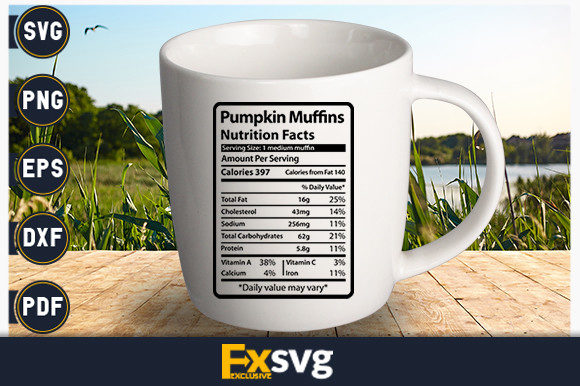
Pumpkin Muffins Nutrition Facts: A Designer’s Review
As an embroidery designer who has spent countless hours digitizing and testing files for real-world application, I approach every new machine embroidery design with a critical eye. It is not enough for a graphic to look cute on a screen; it must hold up under the needle, survive the wash cycle, and appeal to the end consumer. Recently, I evaluated the Pumpkin Muffins Nutrition Facts file, a humorous digital asset that blends seasonal charm with modern typography trends. This review breaks down how this specific embroidery file performs in practical scenarios, from small shop merchandise to personalized holiday gifts.
First Impressions and Visual Personality
The immediate appeal of the Pumpkin Muffins Nutrition Facts design lies in its clever juxtaposition. By mimicking the standardized layout of a nutritional label but filling it with whimsical, autumn-themed content, it creates a mood that is both nostalgic and trendy. For those of us in the Crafts industry, recognizing visual trends is crucial. This design taps into the popular "fake label" aesthetic that has dominated social media and apparel for years, but it does so with a cozy, Thanksgiving-specific twist.
The layout is structured, which presents both opportunities and challenges for embroidery. The bold headers and clear lines suggest a design that relies heavily on clean stitching. In my initial assessment, the visual personality feels playful yet organized. It is not overly cluttered, which is a significant advantage when translating complex Graphics into thread. The theme naturally belongs to fall decor, kitchen textiles, and casual apparel, making it a versatile addition to any seasonal catalog.
Real-World Application and Stitching Performance
To truly understand the value of this asset, I imagined applying it to several common products. The most natural fit is undoubtedly a tote bag design. Canvas provides the stability needed for the straight lines and text elements, ensuring the "nutrition facts" remain legible. When stitched on a heavy-duty cotton tote, the design serves as a conversation starter, perfect for farmers' markets or grocery runs during the holiday season.
Another strong candidate is sweatshirt embroidery. A crewneck sweatshirt in heather grey or deep orange offers a fantastic backdrop for this design. However, working with knit fabrics requires attention to detail. The horizontal lines of the label must be stabilized properly to prevent puckering. If executed well, this becomes a high-value custom apparel item that customers are willing to pay a premium for because it feels bespoke and timely.
I also considered its use on kitchen towels or aprons. Here, the context enhances the humor. An apron worn while baking actual pumpkin muffins, featuring the embroidered "nutrition facts" of those very muffins, creates a cohesive and charming narrative. This type of personalized gift resonates deeply with buyers looking for unique housewarming or hostess presents.
Navigating Technical Challenges
While the concept is strong, the execution requires careful planning. Text-heavy designs are notoriously difficult in embroidery. Small lettering can easily become illegible if the stitch density is too high or if the thread expands slightly upon stitching. When using this Pumpkin Muffins Nutrition Facts file, I recommend avoiding extremely small hoop sizes unless you are certain the text scales appropriately. Cramped text on a curved surface, such as a cap, may lose clarity.
Fabric choice plays a pivotal role. On textured fabrics like terry cloth or loose-weave linen, the fine details of the label lines might get lost. In these cases, a cut-away stabilizer is non-negotiable to provide a firm foundation. For dark fabrics, ensure you have high-contrast thread colors. White or cream thread on navy or black fabric will make the design pop, whereas low-contrast combinations will render the text unreadable.
Additionally, be mindful of dense stitch areas. If the design includes solid blocks of color representing the "ingredients," check whether these are rendered as fill stitch or satin stitch. Large fill areas can pull on lightweight fabrics, causing distortion. Always test the design on scrap fabric first to gauge how the machine handles the transition between text and graphical elements.
Commercial Viability and Brand Consistency
For Etsy sellers and craft business owners, this design offers significant commercial potential. It fits seamlessly into the broader category of holiday embroidery, allowing sellers to create cohesive collections that include matching items like pillow covers, baby onesies, and patches. The humor inherent in the design increases its shareability on social media, which can drive organic traffic to your shop.
However, professionalism is key. A poorly stitched version of this design can look messy rather than witty. Ensuring crisp corners and consistent tension is vital for maintaining brand consistency. Customers associate quality stitching with product value. A well-executed embroidered patch featuring this design can be sold as a standalone accessory or used to embellish denim jackets, adding versatility to your product line.
It is also important to consider the licensing terms. Since this is a digital product often sold in formats like SVG, DXF, PNG, PDF, and EPS, clarify whether the license allows for commercial use of finished physical goods. Most designers permit selling finished items, but restrictions may apply to mass production or digital resale. Always verify these details before listing items in your small shop product inventory.
Practical Designer Notes for Best Results
Before committing to a full production run, follow these practical steps:
- Test on Scrap Fabric: Always run a test stitch on the same material you plan to use for the final product. This helps identify any issues with thread breaks or registration.
- Check Thread Contrast: Use a color chart to select threads that stand out against your fabric. High contrast ensures the "nutrition facts" are readable from a distance.
- Review Stitch Density: If the file allows for editing, adjust the density for delicate fabrics to prevent perforation or stiffness.
- Confirm Hoop Size: Ensure the design fits comfortably within your machine’s hoop, leaving enough margin for secure clamping.
- Inspect Small Details: Zoom in on the digital preview to check for tiny elements that might not stitch well. Simplify if necessary.
- Mockup Testing: Create black and white mockups to see how the design reads without color distraction. This helps assess structural clarity.
- Stabilizer Selection: Match the stabilizer to the fabric weight. Use tear-away for stable wovens and cut-away for stretchy knits.
In conclusion, the Pumpkin Muffins Nutrition Facts design is a robust and engaging asset for any embroidery enthusiast or professional. With careful attention to technical details and fabric selection, it can elevate simple items into standout finished products. Whether you are creating a baby embroidery piece for a shower gift or stocking up on commercial embroidery designs for the holiday rush, this file offers a blend of humor and style that resonates with modern consumers. Just remember to respect the technical limitations of the medium, and let the quality of your stitching speak for itself.