Kids Halloween SVG Candy Inspector Shirt Review
As a designer who has spent years translating digital files into tangible thread and fabric, I approach every new asset with a critical eye. When the Kids Halloween SVG Candy Inspector Shirt landed in my review queue, I wasn't just looking for a cute graphic; I was evaluating its potential as a viable machine embroidery design for my upcoming holiday collection. In the world of Crafts, the gap between a pretty screen image and a durable, high-quality stitched product is often where projects succeed or fail. This specific design promises a playful, spooky vibe perfect for October 31st celebrations, but does it hold up under the scrutiny of a professional hoop?
First Impressions: Visual Weight and Layout
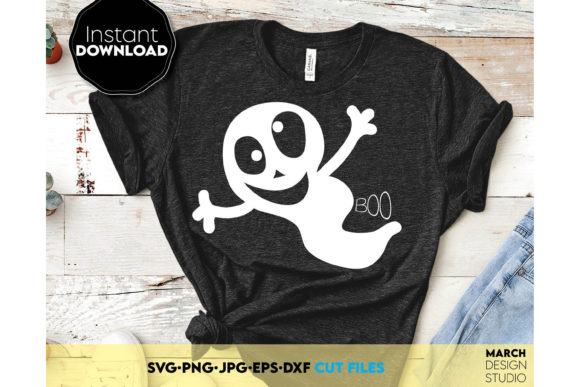
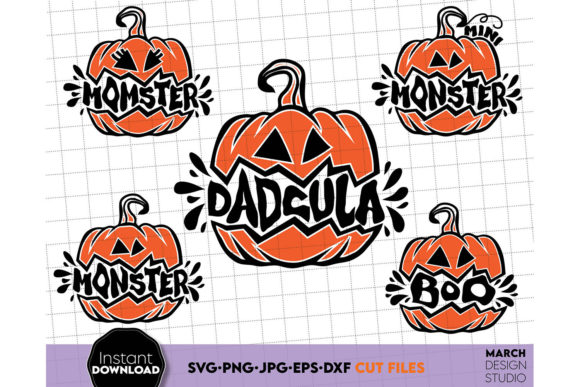
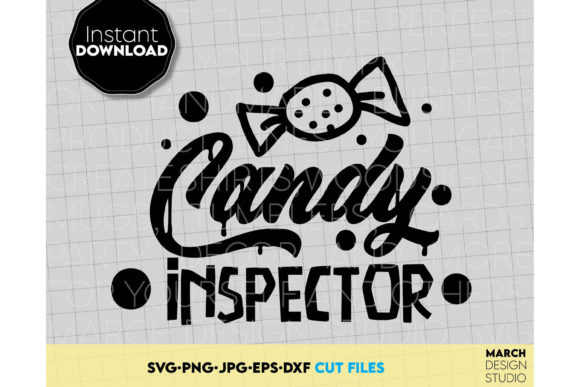
The initial visual impact of the Kids Halloween SVG Candy Inspector Shirt is undeniably strong. The concept of a child acting as a "candy inspector" taps into the universal joy of trick-or-treating, creating an immediate emotional connection for parents and kids alike. From a Graphics perspective, the layout is balanced, with clear focal points that draw the eye without feeling cluttered. However, when I mentally convert this vector file into an embroidery project, I start analyzing the line weights and negative space.
The character's expression and the candy elements suggest a fun, slightly chaotic energy that works well for casual wear. For a small shop product like a limited-edition Halloween tee or a festive tote bag, this personality translates beautifully. The shapes are bold enough to survive the conversion process from SVG to stitch data, which is crucial. If the lines were too thin, they would vanish into a fill stitch mess, but here, the geometry feels robust enough to maintain definition even on textured fabrics.
Real-World Application: From File to Fabric
Imagine you are preparing a custom order for a local boutique. A customer wants a personalized gift for their three-year-old—a cozy sweatshirt to wear while handing out treats. You load the Kids Halloween SVG Candy Inspector Shirt into your software. Here is where the practical reality sets in. The design features distinct areas that would benefit from a mix of satin stitch for the outlines and a dense fill stitch for the solid color blocks of the costume and candy.
On a heavy cotton sweatshirt, this design would anchor itself well. The bulk of the garment provides a stable base, preventing the hoop size tension from distorting the image. I can envision this as a standout piece in a Etsy seller's shop, perhaps paired with a coordinating embroidered patch version for hats or backpacks. The visual appeal is high because the theme is universally recognized; customers don't need to decipher what the design means. It sells itself through instant recognition and seasonal relevance.
However, consider a different scenario: a delicate baby onesie or a thin linen apron. This is where the Kids Halloween SVG Candy Inspector Shirt requires careful handling. The density of the stitches needed to render the details clearly could overwhelm a lightweight fabric, causing puckering or stiffness. In these cases, the design might need to be scaled down significantly, or you might need to opt for a lighter thread colors palette to reduce visual weight. As a handmade product creator, knowing when to adapt the design to the substrate is the mark of professionalism.
Navigating Challenges: Density and Detail
Every digital embroidery file comes with potential pitfalls, and this one is no exception. The text within the design, likely reading something akin to "Candy Inspector," presents a challenge regarding legibility. In embroidery, tiny lettering can easily become illegible if the stitch density is not perfectly calibrated. If you are using this for a custom apparel item where the font size is small, you must test the design on scrap fabric first. A running stitch outline might look crisp on a screen but turn into a blob on a knit jersey if the machine pulls too hard.
Furthermore, the use of dark fabrics requires strategic planning. While the design is vibrant, stitching bright orange and green threads over black material demands a high-quality stabilizer. Without proper backing, the contrast might suffer, or the fabric might pucker around the dense areas of the candy illustrations. I always recommend testing the design in black and white mockups before committing to expensive thread and fabric. This helps identify any areas where the fill stitch might be too sparse or too heavy, ensuring the finished product looks professional.
Curved Surfaces and Complex Textures
If you plan to apply the Kids Halloween SVG Candy Inspector Shirt to a curved surface like a baseball cap or a beanie, the layout needs re-evaluation. Flat designs often distort when wrapped around a dome. The character's face or the candy bucket might stretch unnaturally if the digitizing isn't adjusted for curvature. For commercial embroidery projects involving caps, I would advise breaking the design into smaller segments or simplifying the details to accommodate the curve. Similarly, on highly textured fabrics like terry cloth towels or chunky knits, the fine details of the "inspector" badge or buttons might get lost in the weave. In such cases, simplifying the applique design elements or increasing the overall scale is necessary to maintain clarity.
Business Value and Customer Trust
For a craft business owner, the value of a design extends beyond its aesthetics; it impacts brand consistency and customer trust. The Kids Halloween SVG Candy Inspector Shirt offers a high degree of giftability. Parents love unique, themed items that capture the spirit of the season. By offering this design on a variety of products—from tote bag design options to nursery decor—you expand your market reach. However, the quality of the execution dictates whether a customer becomes a repeat buyer.
A poorly stitched design with loose threads or uneven density can damage your reputation as a small shop product provider. Conversely, a crisp, well-executed version of this design enhances your perceived professionalism. It signals that you understand the nuances of embroidery file management and care about the longevity of the item. When customers see a clean, vibrant design on a durable garment, they associate that quality with your brand. This is essential for digital product sellers who license these assets; the end-user experience reflects directly on your original work.
Practical Designer Notes for Success
Before you commit to selling or producing items with the Kids Halloween SVG Candy Inspector Shirt, follow these essential steps:
- Test on Scrap Fabric: Always run a test stitch on the exact fabric type you intend to use. Check for puckering, thread breakage, and registration issues.
- Verify Licensing: Ensure you have the correct commercial rights. If you are an Etsy seller planning to sell finished goods, confirm the license allows for this. Do not assume personal use licenses cover sales.
- Check Hoop Size: Confirm that the design fits comfortably within your machine's hoop without stretching the edges, which can cause distortion.
- Stabilizer Selection: Use a tear-away stabilizer for wovens and a cut-away for knits to ensure the design lays flat and withstands washing.
- Color Contrast: Compare light and dark fabric backgrounds to ensure the thread colors pop and remain visible after multiple washes.
- Density Adjustment: If the design feels too stiff, reduce the stitch density in your software to allow the fabric to breathe.
In conclusion, the Kids Halloween SVG Candy Inspector Shirt is a versatile and engaging asset for the right applications. It shines on sturdy materials like sweatshirts and tote bags, offering a delightful way to celebrate Halloween. However, it demands respect for the technical aspects of embroidery. By understanding its limitations and strengths, you can transform this digital graphic into a cherished personalized gift or a profitable addition to your holiday inventory. Whether you are a hobbyist making gifts for family or a seasoned decorator running a full-scale operation, thoughtful preparation ensures that every stitch counts.