Hello, Autumn: A Designer's Review for Real Projects
As a designer who spends countless hours translating digital files into tangible thread and fabric, I approach every new asset with a critical eye. When I first opened the Hello, Autumn file, my immediate goal was to determine if this graphic could survive the transition from screen to stitch. In the world of Crafts, the gap between a pretty image and a sellable finished product is often bridged by practical execution. This review explores how Hello, Autumn performs when you move beyond the mockup and start planning real embroidery projects.
First Impressions: Mood and Visual Personality
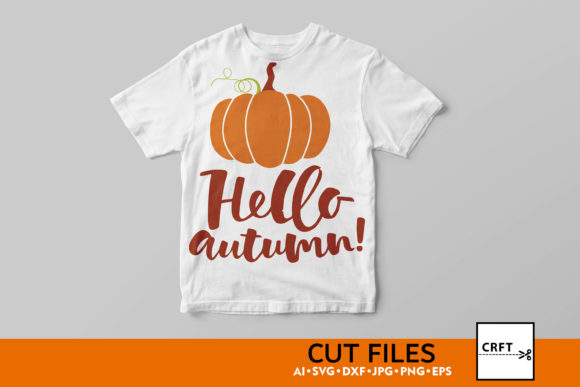
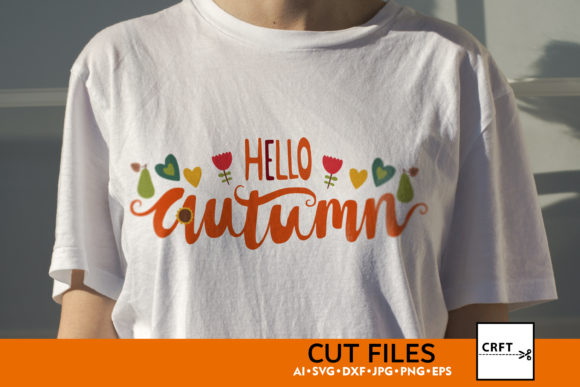
The initial visual impact of Hello, Autumn is warm and inviting, capturing the essence of the season without feeling cluttered. The design leans heavily into the "Funny Signs" aesthetic mentioned in its description, suggesting a playful tone that works exceptionally well for casual wear and home decor. As a Graphics asset, it balances bold shapes with enough detail to look professional but not so much that it becomes a nightmare to digitize or stitch.
For an Etsy seller or a boutique owner, the mood is crucial. This design screams "cozy fall vibes," making it a natural fit for seasonal collections. However, before committing to a production run, I always ask myself: does the layout hold up when scaled? The composition feels balanced, which is a strong indicator that it will translate well into a machine embroidery design. The lines are distinct, suggesting that even with moderate stitch density, the final result should remain legible and crisp.
Real-World Application: From Tote Bags to Sweatshirts
To truly test the viability of Hello, Autumn, I visualized it on a few specific items I frequently produce for clients. Imagine a sturdy canvas tote bag design. The texture of the canvas provides a great base, and the bold nature of the autumn-themed text would stand out beautifully against a neutral background. The design's simplicity allows it to be placed centrally without overwhelming the bag, creating a statement piece that customers would actually want to carry.
I also considered sweatshirt embroidery. Fall is peak season for hoodies and crewnecks. Here, the Hello, Autumn graphic could work as a large back print or a smaller chest logo. If using a fill stitch for the main elements, the soft texture of fleece complements the cozy theme perfectly. For a more refined look, utilizing satin stitch on the lettering could add a touch of elegance, elevating the item from a simple craft to a high-end personalized gift.
Another compelling use case is the embroidered patch. Because the design features clear outlines and distinct sections, it would cut cleanly and stitch densely without losing definition. Patches are a fantastic way for small businesses to diversify their inventory. You could offer these patches for denim jackets, backpacks, or even as decorative accents for hats. The versatility of Hello, Autumn makes it a valuable addition to any craft business inventory looking to capitalize on seasonal trends.
Baby Items and Nursery Decor
While the "funny signs" aspect might seem geared toward adults, the color palette and theme of Hello, Autumn can easily be adapted for baby embroidery. Think of a onesie with a tiny version of the design or a pillow cover for a nursery. The key here is scaling down the details. If the original file includes very fine lines, they might get lost on a small hoop or delicate fabric. Always check the smallest elements before attempting a baby project. However, if the core shapes are robust, this design offers a unique, non-traditional take on fall baby gear that stands out from the usual pumpkin motifs.
Navigating Challenges: Where Caution Is Needed
Even the best designs have limitations. When working with Hello, Autumn, there are specific scenarios where extra care is required. First, consider the hoop size. If the design is intended for a large area, ensure your machine and stabilizer can handle the span without distortion. Conversely, if you are trying to shrink it for a cap or a cuff, watch out for tiny lettering. Text that looks fine on a screen can become unreadable or muddy when stitched at a small scale.
Fabric choice is another critical factor. On textured fabrics like heavy wool or boucle, the intricate parts of the design might not catch the thread correctly, leading to gaps. Similarly, on stretchy fabric like jersey knit, the design needs proper stabilization to prevent puckering. If you plan to use this on dark fabrics, the thread colors must be chosen carefully to ensure contrast. A light orange or cream thread might disappear against a black sweatshirt unless you use a dense underlay or a backing layer.
Furthermore, products that undergo frequent washing, such as kitchen towels or aprons, require durable stitching. If Hello, Autumn relies heavily on fine running stitch for details, those areas might fray over time. In such cases, converting those details to satin or fill stitches during the digitizing process is essential for longevity.
Practical Notes for the Professional Designer
Before you list Hello, Autumn in your shop or present it to a client, follow these practical steps to ensure success:
- Test on Scrap Fabric: Never skip the test run. Stitch the design on a scrap piece of the actual fabric you intend to use. Check for tension issues, thread breaks, and clarity.
- Review Stitch Density: Inspect the file settings. Areas that are too dense can cause fabric distortion, while sparse areas may show the backing through. Adjust as needed.
- Confirm Hoop Size: Ensure the design fits comfortably within your hoop with a margin for error. Overstuffing the hoop leads to registration problems.
- Check Thread Contrast: Create printable mockups in both light and dark backgrounds to visualize how the thread colors will pop.
- Verify Licensing: Since this is a digital product, always confirm the license terms. Can you sell finished items? Can you resell the digital embroidery file? Understanding these boundaries protects your small shop product line.
- Use Proper Stabilizer: Whether it's tear-away, cut-away, or wash-away, the right stabilizer is the backbone of a clean embroidery project.
Impact on Brand and Customer Trust
Ultimately, the value of Hello, Autumn lies in its ability to enhance your brand's perception. A well-executed custom apparel item builds trust with your customers. They see the quality of the stitching, the thoughtfulness of the design placement, and the professionalism of the finish. When you offer a holiday embroidery item that looks polished, it encourages repeat business and word-of-mouth referrals.
For creative entrepreneurs, having a library of reliable assets like this one streamlines the production process. Instead of spending days digitizing from scratch, you can focus on marketing and customer service. However, remember that the design is only as good as its execution. By taking the time to test, adjust, and refine how Hello, Autumn appears on your specific products, you ensure that every handmade product you sell represents the best of your craft.
In conclusion, Hello, Autumn is a versatile and charming addition to a fall collection. With careful attention to fabric choice, stabilizer use, and stitch settings, it can transform ordinary items into sought-after personalized gifts and profitable commercial embroidery projects. It is a design that invites creativity while providing a solid foundation for professional results.