Halloween with Cobwebs: A Designer's Review
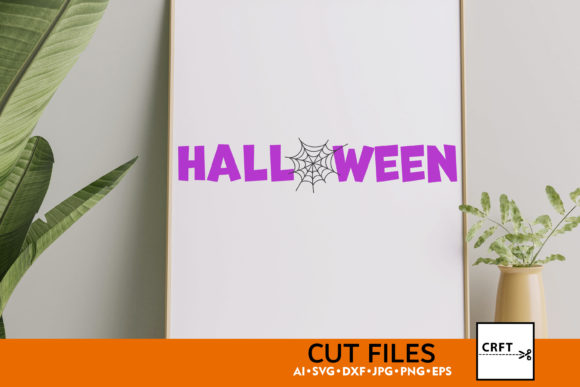
As a designer who spends countless hours translating digital concepts into tangible thread, I approach every new Halloween with Cobwebs file with a critical eye. The market is flooded with seasonal assets, but finding one that translates well from a screen to a hoop requires more than just checking the preview image. When I first opened this specific design asset, my immediate reaction was to the mood it sets. It captures that quintessential autumnal spookiness without veering into the overly gory or childish extremes that often plague holiday collections. The layout suggests a balanced composition where the cobweb elements act as organic frames for the central "Funny Signs with Autumn" motifs. This balance is crucial when considering how an embroidery project will sit on fabric.
Visual Impact and Design Personality
The visual personality of Halloween with Cobwebs leans heavily into the whimsical side of the season. The lines are defined enough to suggest they will hold up well in a fill stitch, yet delicate enough to allow for intricate detailing if you choose to use fine threads. For those of us running a craft business, the ability to create a cohesive look across different products is vital. This design offers that versatility. Whether you are planning a batch of custom apparel or looking for a standout piece for your Etsy seller shop, the aesthetic feels premium rather than generic. The interplay between the spooky web textures and the playful signage creates a narrative that customers find engaging. It tells a story before a single stitch is pulled through the fabric.
However, a pretty picture on a monitor does not always guarantee a beautiful finished product. My experience dictates that we must look past the Graphics category label and think about the mechanics of stitching. The density of the cobweb strands is a key factor here. If the lines are too close together, the needle may struggle to penetrate, leading to puckering or skipped stitches. Conversely, if they are too sparse, the design might lack the structural integrity needed for items like sweatshirt embroidery that undergo frequent washing.
Real-World Application: The Custom Tote Bag Scenario
To truly evaluate this asset, let’s walk through a real-life scenario. Imagine you are preparing a limited run of canvas tote bags for a local craft fair. You want these bags to serve as both functional items and festive decor. You select Halloween with Cobwebs as the centerpiece. The first step is determining the placement. Given the likely width of the design, a standard 5x7 inch hoop might be necessary, pushing the boundaries of a smaller 4x4 hoop unless you are willing to split the design, which can disrupt the flow of the cobweb pattern.
When I visualize this on a natural-colored canvas bag, the contrast becomes a focal point. Using a deep orange or purple thread colors palette against the beige background would make the design pop. However, the stitch density needs careful management. Canvas has a rougher fabric texture compared to knit fabrics. If the machine embroidery design is too dense, the heavy thread count could distort the weave of the canvas, making the bag stiff and uncomfortable to carry. In this case, I would recommend testing the design on a scrap piece of the actual canvas first. Adjusting the underlay settings in your software can often mitigate stiffness while ensuring the design stays anchored.
This same logic applies to other handmade product categories. If you were adapting this for a baby embroidery item, such as a onesie or a nursery blanket, the softness of the fabric demands a lighter touch. The cobweb details might need to be simplified to prevent irritation against sensitive skin. Here, the design serves as a decorative accent rather than a dominant feature, perhaps placed near the hem or on a sleeve cuff. The versatility of Halloween with Cobwebs allows it to scale down effectively, provided you are mindful of the smallest elements losing definition on a tiny scale.
Navigating Fabric Challenges and Technical Nuances
Not all projects are created equal, and Halloween with Cobwebs presents specific challenges depending on the substrate. Working with dark fabrics is a common hurdle for commercial embroidery. On black or navy backgrounds, the white or light-colored cobweb strands can get lost if the running stitch or outline isn't thick enough. You might need to add a layer of white underlay or consider using a slightly thicker thread weight to ensure visibility. Similarly, stretchy fabrics like jersey require a strong stabilizer strategy. Without adequate support, the tension from the satin stitch outlining the signs could cause the fabric to ripple around the design.
For items like embroidered patch production, the design shines. Patches often utilize felt or twill, which provides a stable base for high-density stitching. The intricate nature of the cobwebs works beautifully here because the backing material supports the complexity. You can push the stitch count higher without worrying about fabric distortion. This makes Halloween with Cobwebs an excellent candidate for creating durable, high-value patches that can be sold individually or used to embellish hats and jackets.
Curved surfaces, such as caps, introduce another variable. The design must be flexible enough to wrap around the brim or the crown without distorting the text or the web patterns. If the "Funny Signs" portion contains small lettering, it may become illegible on a curved surface due to the stretching of the fabric during stitching. In such cases, simplifying the text or opting for a larger font size within the digital embroidery file is a wise move. Always remember that what looks crisp in a printable mockup might behave differently on a three-dimensional object.
Practical Advice for Designers and Makers
If you decide to integrate Halloween with Cobwebs into your workflow, there are several practical steps to ensure success. First, never skip the test run. Stitch out the design on a piece of scrap fabric that matches your final project's weight and texture. Check for any thread breaks, especially in the thin lines of the cobwebs. Inspect the back of the stitching to ensure no loops are showing, which is critical for professional presentation.
Secondly, pay close attention to hoop size compatibility. Ensure the design fits comfortably within your machine's working area without needing excessive re-hooping, which can lead to misalignment. If you are selling these as personalized gift items, consistency is key. Every customer expects their small shop product to look identical to the photos. Variations in thread tension or stabilizer choice can lead to inconsistencies that damage your brand reputation.
Finally, verify the licensing terms before using this asset for commercial embroidery. While the description highlights its suitability for DIY decorations and party favors, commercial rights for selling finished goods or digital files may vary. As a responsible creator, confirming these details protects your business and ensures you are operating within legal boundaries. Whether you are a hobbyist making gifts or a professional running a full-scale apparel decorator service, understanding the limitations and permissions of your design assets is part of the job.
In conclusion, Halloween with Cobwebs is a compelling addition to any seasonal collection. Its blend of spooky charm and practical layout makes it suitable for a wide range of applications, from kitchen towel accents to bold holiday embroidery on outerwear. By approaching the design with a critical eye toward fabric interaction, stitch density, and technical execution, you can transform this digital file into a high-quality, market-ready product that delights customers and elevates your craft.