Beware of Cat: A Designer's Embroidery Review
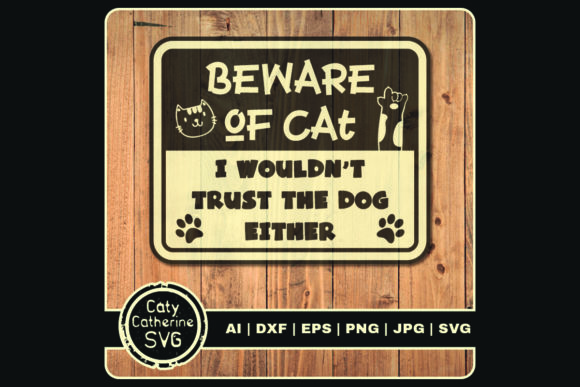
As a designer who has spent years turning digital graphics into tangible stitched goods, I approach every new asset with a critical eye. The latest file that caught my attention is Beware of Cat Wouldn t Trust Dog Either. At first glance, it looks like a standard humorous phrase, but in the world of machine embroidery design, the devil is always in the details. This piece, designed by Caty Catherine and categorized under Crafts and Graphics, promises a funny DIY sign vibe, but does it translate well from an SVG cut file to a high-quality embroidered finish? Let's break down how this design holds up when you move beyond the screen and onto the fabric.
The Visual Personality and First Impression
When I first opened the preview for Beware of Cat Wouldn t Trust Dog Either, the mood was immediately clear: playful, slightly sarcastic, and undeniably relatable for pet owners. The layout suggests a balanced composition where the text carries the weight of the joke, likely supported by simple iconography or stylized typography. In the realm of digital product sellers and Etsy sellers, designs that rely on witty copy often perform better than complex imagery because they communicate instantly.
However, translating a transparent PNG or SVG File into thread requires a shift in thinking. The sharp edges of a vector graphic do not exist in embroidery; we are dealing with fill stitch, satin stitch, and running stitch textures. My initial assessment is that this design works best when the lettering is bold enough to withstand the natural softening that occurs during stitching. If the original graphic features thin serifs or intricate flourishes, those details may get lost or turn into muddy blobs once stitched. For a project like this, clarity is king. The visual personality relies on the viewer reading the text quickly, so legibility must be the top priority in your digitization or conversion process.
Real-World Application: From Screen to Sweatshirt
To truly evaluate Beware of Cat Wouldn t Trust Dog Either, I imagined a specific scenario: creating a custom embroidered tote bag for a local craft fair. Tote bags are a staple for small business merchandise, offering a large canvas for humor. In this context, the design feels right at home. Imagine a sturdy cotton canvas bag, perhaps in a neutral oatmeal color, with the phrase stitched in a deep charcoal grey or a vibrant navy blue. The contrast would pop, making the joke readable from a distance.
I also considered using this as a sweatshirt embroidery element. Placing the design on the chest of a heavy-weight hoodie adds a layer of warmth and comfort to the message. For a handmade product like this, the texture of the fabric interacts beautifully with the raised nature of the stitches. The casual, slightly rebellious tone of "I wouldn't trust the dog either" fits perfectly with the relaxed aesthetic of streetwear or loungewear. It transforms a simple garment into a conversation starter, which is exactly what personalized gifts need to succeed.
Another strong contender for this design is the embroidered patch. Patches allow you to control the background density and edge finishing more tightly than direct garment application. You could create a felt-backed patch with a satin border, then sew or iron it onto denim jackets, backpacks, or even baby onesies (if the scale is adjusted appropriately). This versatility makes the design a valuable asset for any craft business looking to diversify their inventory without buying new machinery.
Navigating Technical Challenges and Fabric Choices
While the concept is solid, there are practical hurdles to consider before committing to production. One major concern with text-heavy designs like Beware of Cat Wouldn t Trust Dog Either is the hoop size. If the phrase is long and the font is large, you may exceed the capacity of a standard 4x4 inch hoop. This forces you to split the design or use a larger hoop, which can complicate alignment if you are doing multi-part stitching. Always check the dimensions against your machine's capabilities before purchasing or converting the file.
Fabric texture is another critical factor. If you attempt this design on a highly textured fabric like a waffle-knit blanket or a nubby linen pillow cover, the stitch density might struggle to lay flat. The threads could sink into the weave, causing the letters to look uneven or distorted. For the cleanest result, smooth fabrics like twill, denim, or medium-weight cotton are ideal. Similarly, avoid stretchy knits unless you use a high-quality stabilizer. Without proper backing, the tension from the stitching can cause the fabric to pucker around the text, ruining the professional look of the finished product.
Color choice also plays a massive role in readability. While the design comes as a transparent PNG, you have full control over the thread colors in your embroidery software. Avoid placing light-colored thread on dark fabric without a dense underlay, or vice versa, unless you want a subtle, tonal effect. For maximum impact and customer engagement, high contrast is usually the safest bet. Test the design in black and white mockups first to ensure the negative space works before investing in expensive thread.
Practical Notes for Designers and Makers
- Test on Scrap Fabric: Never skip the test run. Stitch out a sample of Beware of Cat Wouldn t Trust Dog Either on a scrap piece of the actual fabric you plan to use. This reveals issues with registration, pull, and thread breaks before you ruin a client's order.
- Check Licensing: Since this is a digital asset from Caty Catherine, confirm the license terms. Are you allowed to sell finished items? Can you resell the digital embroidery file? Understanding these boundaries protects your small shop product line from legal trouble.
- Adjust Density: If you convert the SVG yourself, pay close attention to the fill settings. Too much density causes puckering; too little leaves holes in the letters. Find the sweet spot for your specific machine.
- Consider the Audience: This design appeals to pet lovers who appreciate dry humor. Market it accordingly. Use printable mockups that show the design on realistic items like aprons, caps, or nursery decor to help buyers visualize the final result.
- Stabilizer Selection: For curved surfaces like caps or layered garments, use a tear-away or cut-away stabilizer appropriate for the fabric weight. This ensures the design remains crisp after multiple washes.
Final Verdict on Commercial Viability
In conclusion, Beware of Cat Wouldn t Trust Dog Either is a promising asset for designers looking to add some personality to their portfolio. Its strength lies in its relatability and simplicity, making it a versatile choice for custom apparel, holiday embroidery, and boutique branding. However, its success depends entirely on execution. By paying attention to stitch density, choosing the right fabric texture, and respecting the technical limitations of your equipment, you can turn this graphic into a high-quality, sellable item.
For the creative entrepreneur or hobbyist ready to take their next step, this design offers a fun opportunity to blend humor with craftsmanship. Just remember: a great design is only as good as the stitching that brings it to life. Take the time to prep, test, and refine, and you will create a finished product that customers will love to wear and display.